
Out of the five sensory organs we have, science says, the eyes are the primary and the most used one. Vision, in fact, accounts for nearly 80% of all information learned and processed by us — we lay eyes on something, the nerves relay the information, and the brain processes it in order to understand. Of course, all that’s possible only when we are visually able and capable of processing the information recorded by our eyes.
At a glance, this flow seems quite simple and linear — as though nothing can go wrong with it. But here’s the catch: our eyes are more than a mere instrument to enable vision. As much as they help us see, sometimes, they also serve as one of the most recognised tools of deception.
That’s how the common saying, “What meets the eye…,” comes into the picture — with the idea that seeing isn’t enough; one must learn to notice what’s beyond the surface.
Why begin with the idea of ‘seeing’? Because, in the age of state-controlled, propaganda-driven, and government-regulated media, algorithm-centric visibility, censored reach, and curbed free speech on social platforms, we’re often dictated what we’re allowed to see and what we must not look at — and in extension, turn a blind eye to. What’s even more worrisome is that more often than not, we’re also manipulated into believing a certain narrative built by the politically motivated agenda, rather than seeking the truth.
Witnessing the evolution of and discourse around Feminism today is no different.
In today’s late-stage capitalist world, Western media often reduces feminism to images of glamorous career women: a polished pencil skirt strutting in a pair of stilettos, or a bedazzling sheer gown taking over the red carpet while oozing confidence, or maybe a perfectly manicured, sharp presence before the camera. In the post-postmodern age that we live in today, all these instances are now highly regarded as the populist examples of empowered women — those who have been privileged enough to have access, receive opportunities, and have gone ahead to have agency over their own lives.
In short, the women who have done it all and have earned the status of ‘equality’ in male-dominated fields!
We see them, we cheer and clap for them, we sometimes admire them, and often, we even look up to them in awe of how they ‘present’ themselves: sharp, polished, glamorous, and whatnot; as if that’s just what it takes for a woman to be empowered. As if that’s all it takes to become the poster girls and the flagbearers of feminism, the Western media parades them as.
And while they’re at it—worshipping the superficial aesthetic of an ‘-ism’ the likes of Rosa Luxemburg died for—‘the greatest country in the world’ starts a war in Iran, in the name of ‘liberating women’.
Irony (and Will McAvoy) cannot roll its eyes further back!
The facade of White Feminism
They say, in most cases, acceptance is what helps soften the blow of a harsh reality. So, let’s accept the reality first: we live in an age where the talk of ‘liberating women’ can be twisted into a pretext for a full-blown war, even as conservative leaders (including women in power and positions) roll back immigrants’ and women’s rights at home. And by ‘home’, we mean the home to bona fide White Feminists — those who take the terminology solely based on their skin colour value and convenience, stripping the innate and integral intersectionality from it.
Thanks to that familiar brand of tokenism, popular culture has long shown us only one acceptable and respectable feminist archetype: the white, affluent, career woman who struts to work — with a stylish bag in one hand, and a cup of Starbucks in the other. The one who’s often seen in well-tailored suits (or pricey designer dresses), neatly done hair, uber chic sunglasses, a few ‘power moves’ in her pocket, and a ‘boss woman’ look on the go. In the handbook of these ‘boss ladies’, a woman in a salwar kameez—or worse, in a hijab—doesn’t even qualify as an empowered one, let alone be a living, breathing epitome of feminism. As per their handbook, if you don’t fit this mould of a walking, talking white woman—whether by the colour of your skin or the outfit of the day (yes, OOTD!)—you’re presumably not ‘liberated’, hence not passed as an empowered woman or a feminist.
In short, it doesn’t matter what you do, what your place of work is, what contribution you make, or what value you add — if you’re a working-class woman of colour, and not well-versed in power dressing, you’re somehow ‘cancelled’—or, at least, belittled—as a feminist.
But that’s only the idea of today’s white feminism. Dig deep and venture into the core of the ‘ism’, you’ll understand how this narrow vision that is built on nothing beyond the superficial aesthetic and doesn’t take into account the very substance of it, only enforces the age-old, systemic patriarchy that commands women to fit into a box, look a certain way, to be perceived as a certain someone — to earn the ‘honorary tag’.
In fact, this is exactly what Bell Hooks made a point of when she noted in ‘Ain’t I A Woman’, “It is a contradiction that white females have structured a women’s liberation movement that is racist and excludes many non-white women.” — She firmly believed that genuine empowerment of a community can never be defined by clothes or culture alone.
Hijab to headscarves: The dichotomy of ‘coverage’
The dilemma of dressing is not a newfound issue — for decades, it’s been common to judge political seriousness and moral substance by appearance. Be it the suffragette banners and the unglamorous, practical dress of early activists or the pink pussyhat and slogan T-shirts of contemporary movements — visual markers have always been some sort of compass, helping movements cohere and navigate. Sporting something black, or a #TimesUp ink, or just wearing a certain badge has always grabbed the attention while making a strong case for the cause — going beyond the obvious theatrics of visual representation. But when the ‘look’ of some movement becomes a litmus test for the same, when the ‘appeal’ becomes the only significant entry pass, the danger is twofold — instead of making inclusivity the virtue of the circle, exclusion becomes the norm.
White feminism has walked the same road when it comes to intersectionality.
White feminism has always (yes, not often, but almost always) labelled and treated hijabs and headscarves as the ultimate sign of everything ‘uncool’ and ‘un-woke’: those who are covering themselves are either not educated enough, or they lack culture and sophistication, or simply, aren’t exposed to empowerment enough. According to their holy grail of feminism, coverage is never cool enough to represent wokeness. And hence, those who prefer to do so are oppressed, and badly need rescuing by none other than the ‘better and higher’ breed of feminists — themselves.
Remind me again, when and how did the coolness quotient become the ‘it’ factor to check the credibility of empowerment?
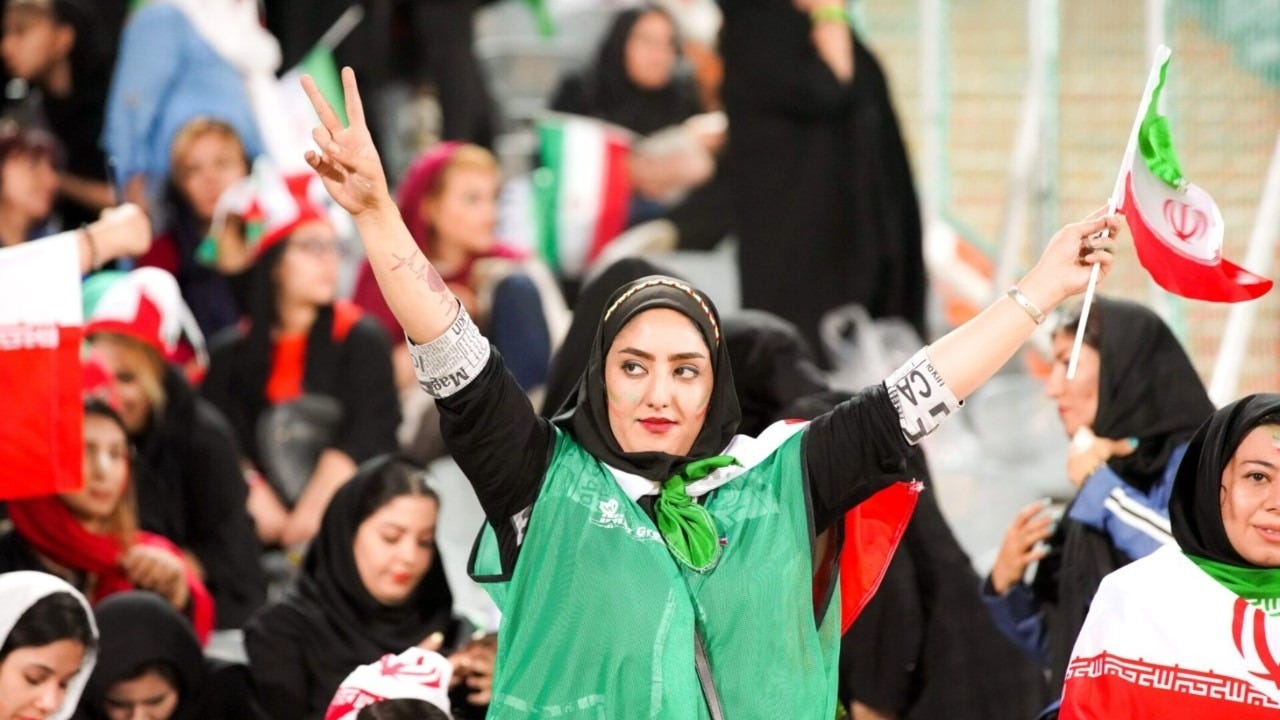
Now, clothing—especially pieces like hijab, burqa, headscarves, etc.—always comes like a coin with two sides: sure, they can be a symbol of oppression, but they can be a tool of resistance, too. That way—historically—the politics of hijab (or headscarves) isn’t exactly linear. In fact, when Reza Shah Pahlavi, in the 1930s, enforced a strict and mandatory ‘unveiling’ policy as part of Westernized modernization campaign, forcing women to remove hijab in public, Iranian women resorted to the very same headscarves to register their resistance against the mandate. The strictness of Shah’s rule went so far that he didn’t even flinch from using police force to implement the ‘unveiling’ policy.
This is where the question of choice comes in.
Outfit choices (e.g., headscarves and more) surely are political tools, but they’re also the indicators of an economy that values instant eligibility over structural consideration. In reality, this ‘respectability politics’ and the visual aspect of feminism only end up suppressing women, especially women of colour — either to conform or to be dismissed. Because women who don’t fit that certain ‘polished’ look—due to class, religion, age, race, or geography—are omitted from feminism’s history, irrespective of their struggle, crossing hurdles, and contributions.
What if the hijab is chosen by a woman and not imposed on her? Surely, the choice to cover or unveil lies with an individual and cannot be turned into a mass policy — that is a direct contradiction to the ‘ism’ itself that preaches the freedom to choose. In that case, compelling that woman to unveil her headscarf is not an act of liberation, but stripping away her very agency over herself and her choice of clothing. In fact, for women who aren’t unwilling to ditch the veil, ripping that coverage off is the type of enforced ‘liberation’ that targets its victims and echoes whitewashed norms and colonial overreach.
Weaponisation of women’s rights in the name of ‘liberation’
What do imperialists do when they can’t dictate on their terms? They take the road to offence. No wonder the United States of America went the same way.
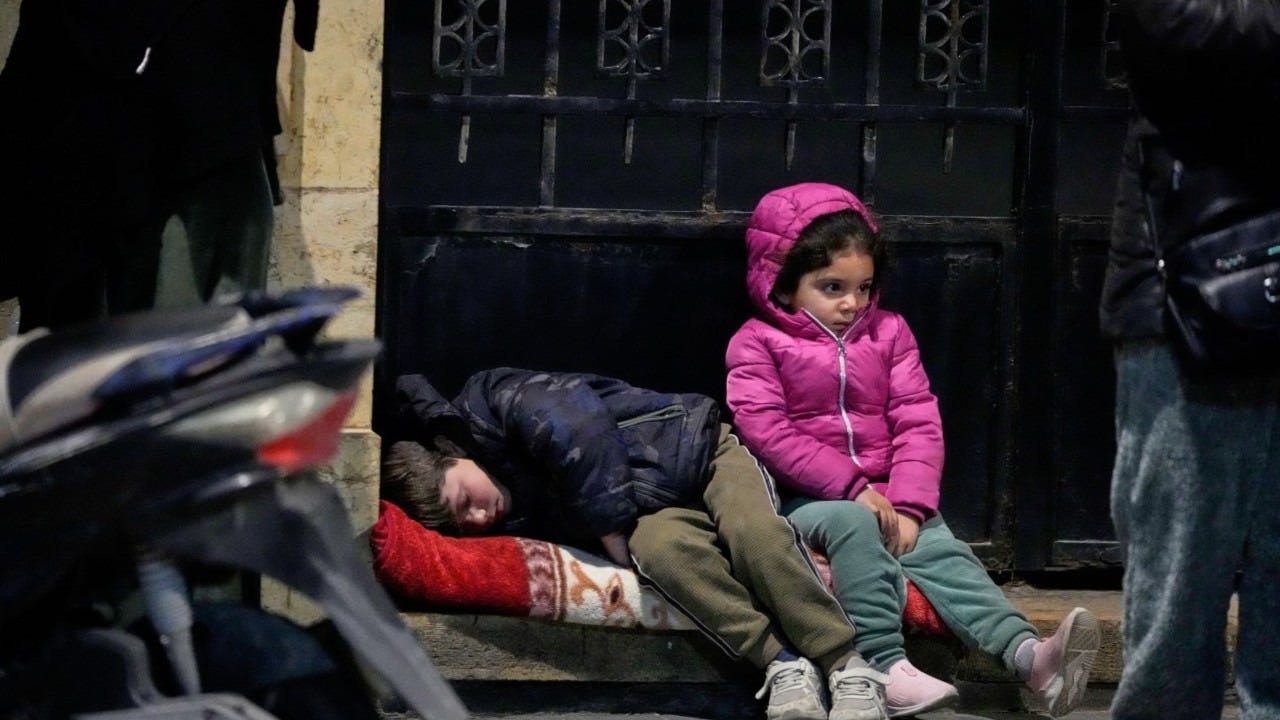
In February, the US, in coordination with Israel, launched major military strikes against Iran, allegedly targeting missile infrastructure, military sites, and leadership. The Supreme Leader’s compound in Tehran was hit, resulting in the reported death of Ayatollah Ali Khamenei. But along with that, multiple schools and hospitals in Iran were hit, and so far, the death toll stands somewhere around 1500 — many of them are women and children.
The most corrosive misuse of women’s rights rhetoric, perhaps, is precisely this geopolitical unrest: invoking the language of ‘liberation’ to justify or sanitise military aggression. The US’s attack on Iran is no exception. After all, that’s the line of clarification provided by ‘the greatest country in the world’ — they acted to not only protect the country, its assets and personnel, but also to help liberate the Iranian people from their ‘rogue regime’.
How saint-like; although entirely understandable for a country with a chronic God complex, and a sitting president who believes in demanding the Nobel Peace Prize just by declaring that he deserves it — all while launching multiple wars!
Logic: 0, Irony: +10
But here’s the naked truth: the history of imperialist interventions cloaked in ‘saving women’ isn’t a one-time incident — from nineteenth-century colonial campaigns to the 2001 US invasion of Afghanistan, feminist slogans have been co-opted into justification narratives. The US’s attack on Iran, in fact, reawakens the same ugly pattern: powers claiming to act on behalf of oppressed women while their own domestic record on women’s rights is staggeringly regressive.
And then, here comes the most pertinent question: Do women of Iran really need the help of Donald Trump’s US to liberate them? Is Trump’s machinery of war the ultimate shortcut and solution to their liberation?
Iran and her women: On hijab, agency, and revolt beyond the veil
When we look at Iran, nothing exposes the poverty of reductive narratives like the country’s recent history. Despite living under strict and orthodox laws and systemic discrimination, Iranian women today achieve some of the region’s highest education rates. As of 2023–2024, per the World Bank, the adult female literacy rate in Iran is approximately 85–87%. The youth female literacy (15-24) is even higher, with a mark of over 98% in 2022. To put things in perspective: back in 1976, only 35% of adult women were literate. You can do the math here and figure out the steep graph.
Clearly, Iranian women are educated enough to speak and decide for themselves. And that’s not only reflected through the literacy rates in recent years — Iran’s women have time and again proven just how capable they are of standing up for themselves, and on their own, when it comes to protesting against the regime.
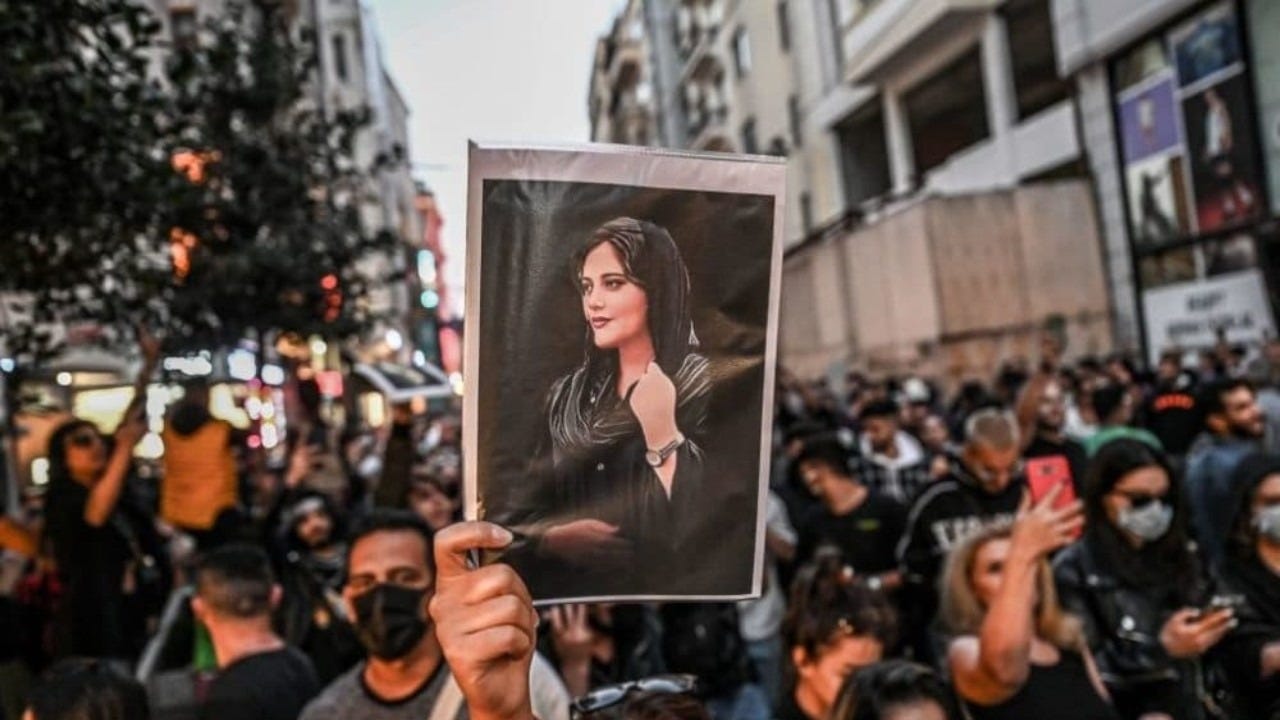
Rewind to 2022, for instance: When Mahsa Amini, a 22-year-old Kurdish-Iranian woman, died in police custody in September 2022 for allegedly violating the hijab rule, it sparked nationwide outcry. Women across all walks removed their headscarves, cut their hair, as “Jin, Jiyan, Azadi” (“Woman, Life, Freedom”) echoed the streets of Iran. Within days, Kurdish women in Iraq, Syria, and Turkey also took up that slogan in solidarity, making it a much more widespread chant of defiance. This was not a moment of passive culture clash or endorsing something for the sake of optics — this was a politically sophisticated mass uprising, led overwhelmingly by women of different classes, ethnicities, and educational backgrounds.
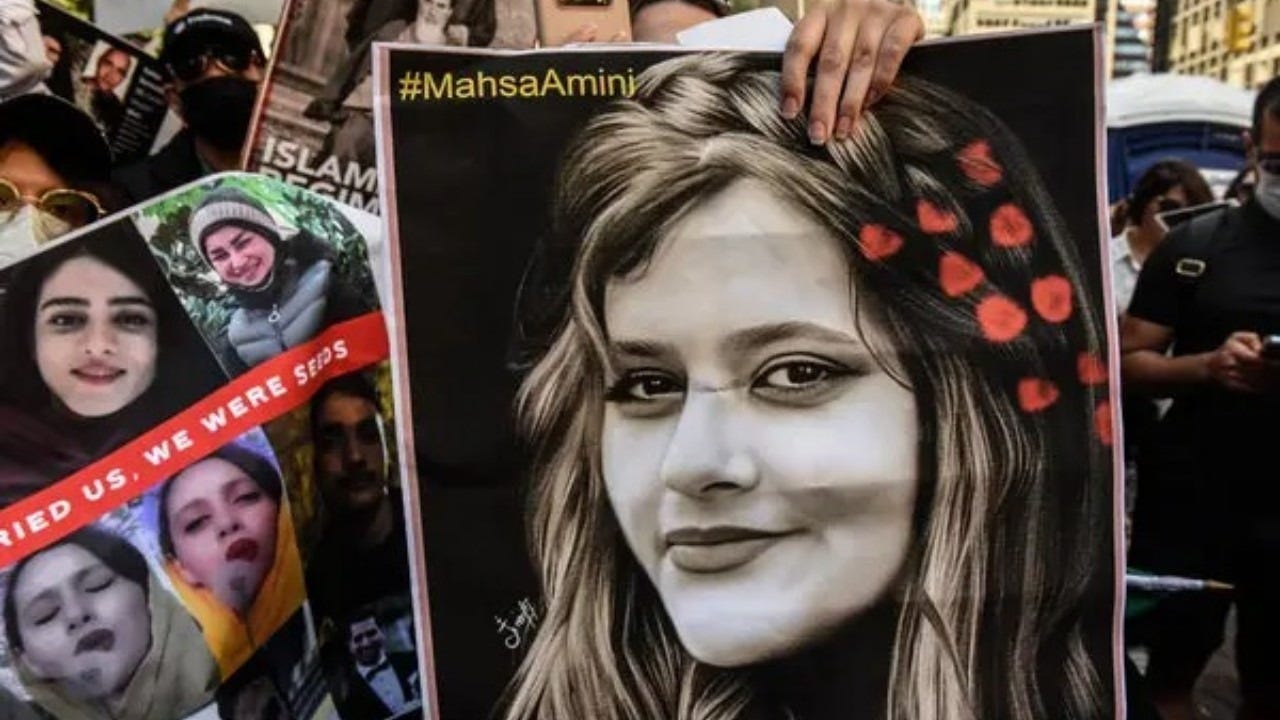
Sure, this grassroots movement faced brutal repression — many women and even children were killed in the crackdown sponsored by the regime. But despite that state-sponsored and systemic violent retaliation, Iranian women never fell short on courage — they paid a heavy price to insist that they determine their own lives and fates. What’s more crucial to note here is that these women did not wait for foreign armies to arrive and ‘liberate’ them — they took to the streets on their own.
Westernised whitewashed feminism and its faultlines
The Iranian example holds a stark mirror to the West, especially in the United States of America — the land of glorified feminists. In fact, the nation that preaches “we liberate women” the most abroad frequently undermines women’s rights at home. In the United States, since 2022, the American laws and courts have moved to roll back abortion rights (following the Supreme Court reversal of Roe v. Wade), making the US one of top tier countries globally, reversing safe access. While in many states, including California, New York, and Massachusetts, abortion remains legal, often protected by state law, as of early 2026, over 10 states (Alabama, Arkansas, Idaho, Indiana, Kentucky, Louisiana, Mississippi, North Dakota, Oklahoma, South Dakota, Tennessee, Texas, and West Virginia) have total bans, and others have bans based on early gestational age (e.g., 6-18 weeks).
Then comes the unfathomable allocation of money where Washington pours hundreds of billions into its military budget — far more (actually, faaar more) than it spends on women’s health, education, or childcare. Meanwhile Kristi Noem (now, former United States Secretary of Homeland Security) unleashes ICE on immigrants, detaining thousands of common people (including children, women, students) at the border under harsh conditions, US Attorney General Pam Bondi protects alleged sexual abusers and enablers (who preyed on countless children, and women) connected to Jeffrey Epstein, even mentioned in the Epstein Files, sitting at high ranks in the administration, and Karoline Leavitt disburses one lie after another, and goes beserk every time journalists ask questions on the government’s actions that do not match the official words.
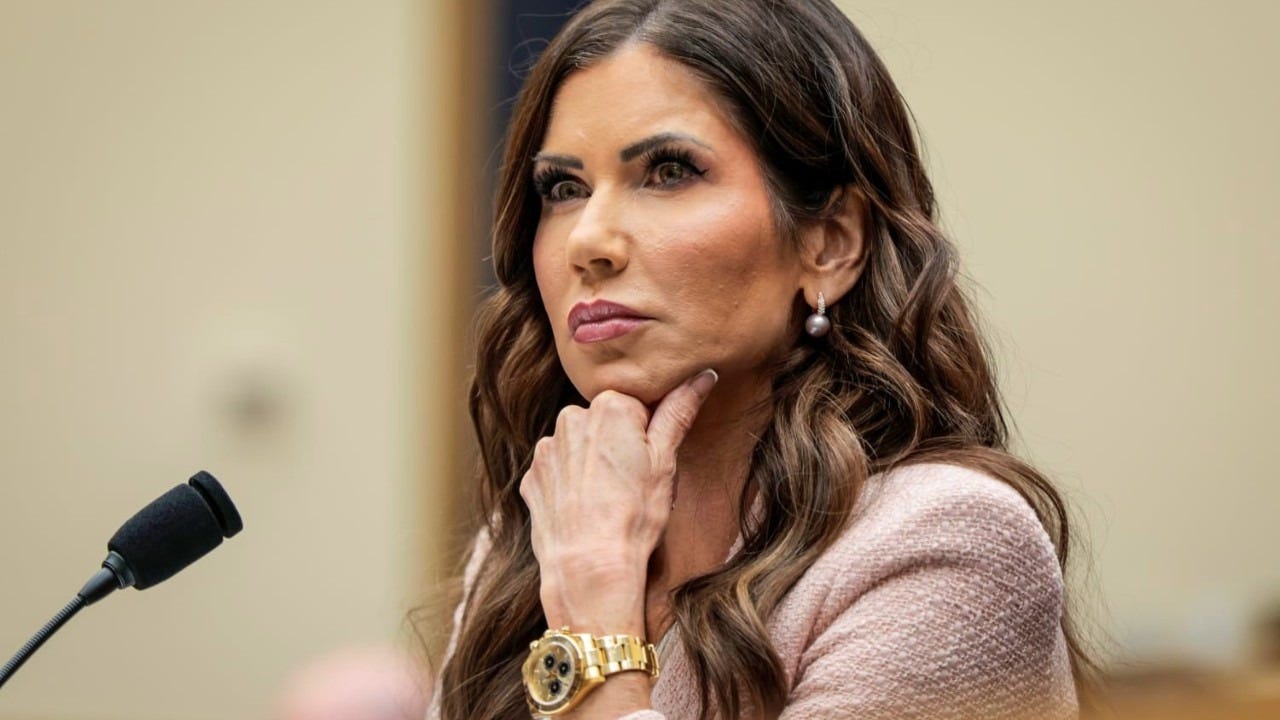
More often than not, these women are hailed as the epitome of empowerment, are profiled by prestigious organisations, and promoted as women who are apparently lifting the community. Why? Largely because they conform to the kind of stereotypical sartorial choices that today’s world has established as the go-to branding of an ‘ism’ that’s supposed to be lived, breathed, and practised — rather than only worn as a costume.
What does that say about the ‘ism’ today?
Feminism: The ‘brand’ and the blind spots
Feminism, at its core, is based on the ideology that seeks to challenge the patriarchal structures, eliminate sexism, and aims at establishing complete social, political, economic, and personal equity of the sexes. Equal rights, opportunity, and dignity for all genders — that’s the core value of feminism. Every day, and especially on a day like today, International Working Women’s Day, feminism is meant to celebrate the social, economic, cultural and political achievements of women from all walks of life and society, even those who are marginalised and ostracised by society.
That’s where the intersectionality comes in.
The framework of intersectional feminism is built for understanding how various social and political identities (race, class, gender, sexuality, ability, and more) overlap to create unique, compounded experiences of discrimination and privilege. Basically, it says that there’s no one-size-fits-all approach that can be applied for all women, particularly those ‘othered’ by interlocking systems of oppression.
So, essentially—because feminism is about justice for all women—it cannot condone policies that punish women, even if enacted by women leaders, especially those who are nothing but mere stooges of a patriarchal system and kickstands for misogynist male leaders.
When feminism becomes a brand instead of a practising path, it is easy for it to turn white, middle-class, and domestically focused. Because this particular strand prioritises and celebrates individual success rather than collective progress, while neglecting systemic questions: mass incarceration, migrant detention, colonial histories, care labour, and sexual violence that thrives in oligarchic networks. So white feminism can only perform solidarity — it can wear protest pins, post statements on social platforms, without even attempting to change the institutional levers that harm the most vulnerable women.
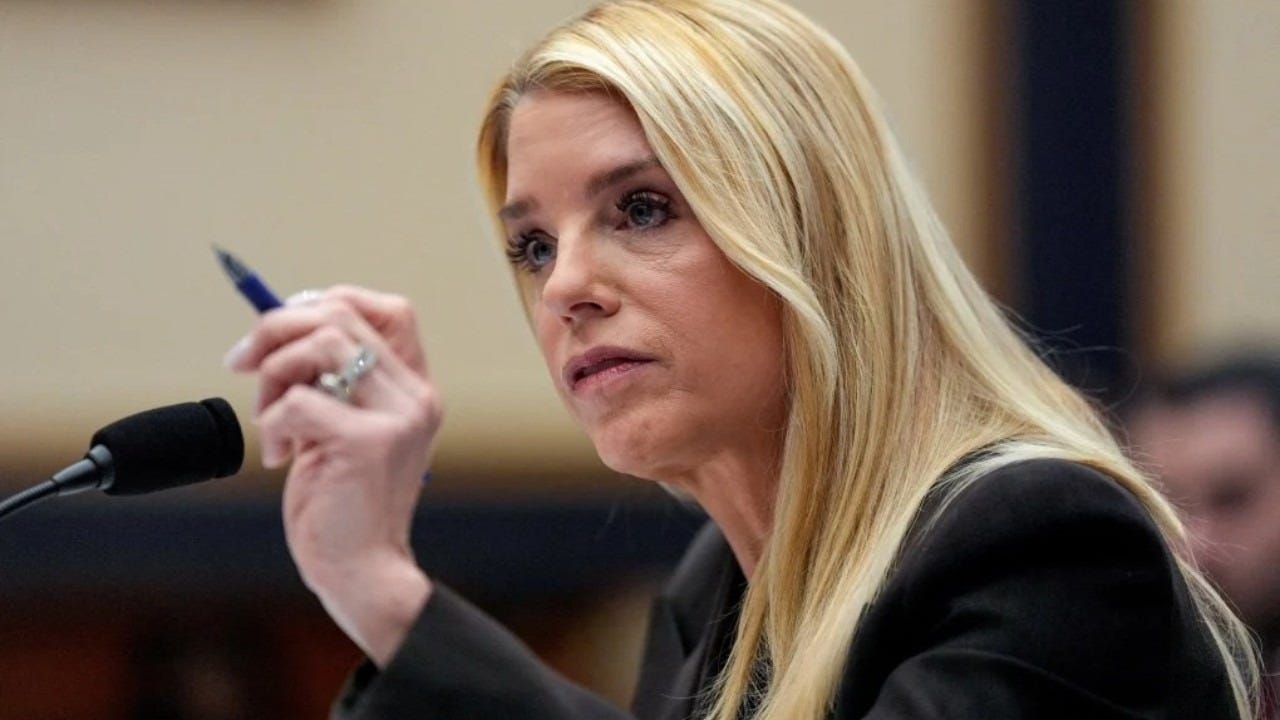
For example, companies selling ‘empowerment’ goodies by marketing self-care products, #WomenEmpowerment campaigns, or gilded corporate retreats, all while underpaying or overworking their female employees, isn’t feminism — it’s exploitation in the guise of tokenism. As neoliberal capitalism co-opts feminist language for profit, this tokenism is nothing but ‘pinkwashing’, slapping a feminist veneer on consumerism.
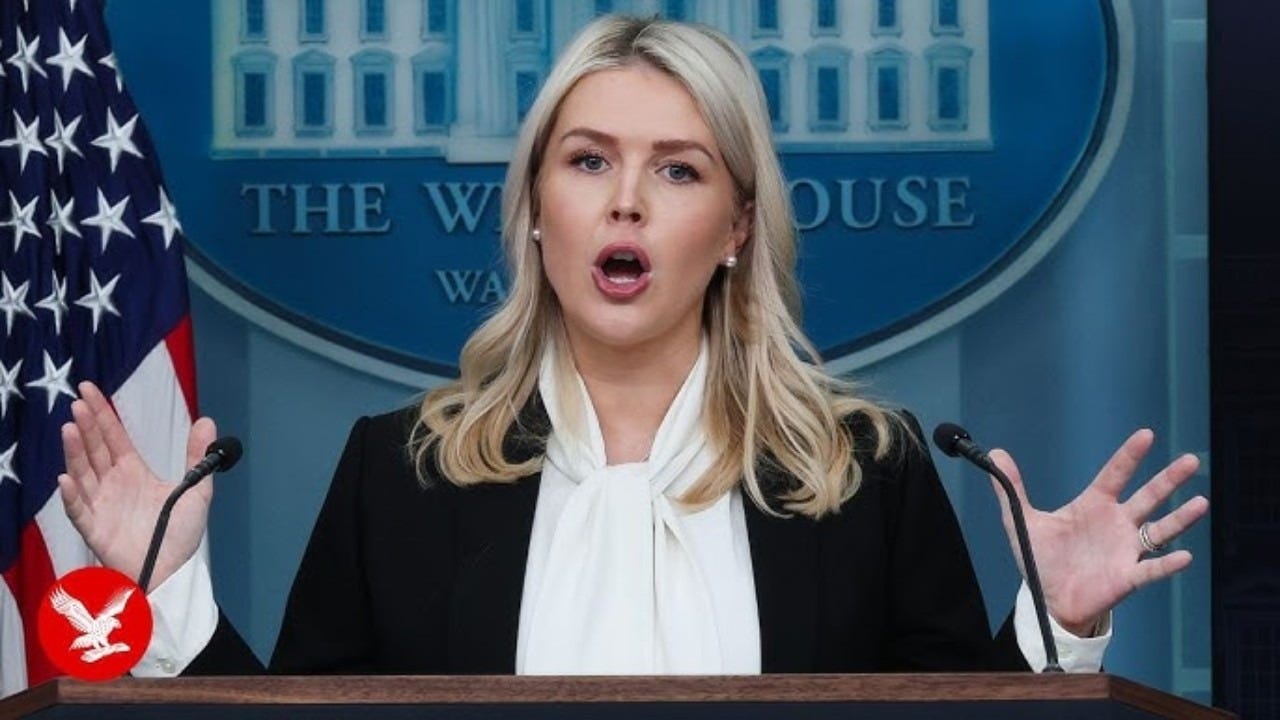
For feminist politics to be credible, it must refuse the exploitation of and weaponisation against women — of all races, casts, colours, classes, and more. Because feminism that excuses racism, xenophobia, or authoritarianism anywhere is no real feminism.
The way ahead
So if the old image of feminism has worn thin, what exactly replaces it? Possibly, the most comprehensive answer lies in solidarity through consciousness and action, while rejecting the facade of appearance.
The women risking everything in the streets of Tehran, Baghdad, Lagos, or Mexico City, whether wearing hijabs, shawls, or Western outfits, are the truest feminists, and it’s high time that we recognise them, listen to them, and let them reclaim their agency — rather than taking the onus upon ourselves to save them while serving some ulterior motives. Those women—whether covered or unveiled—are people who seek the world as allies, not saviours who’d pick and choose them based on their strategic goals.
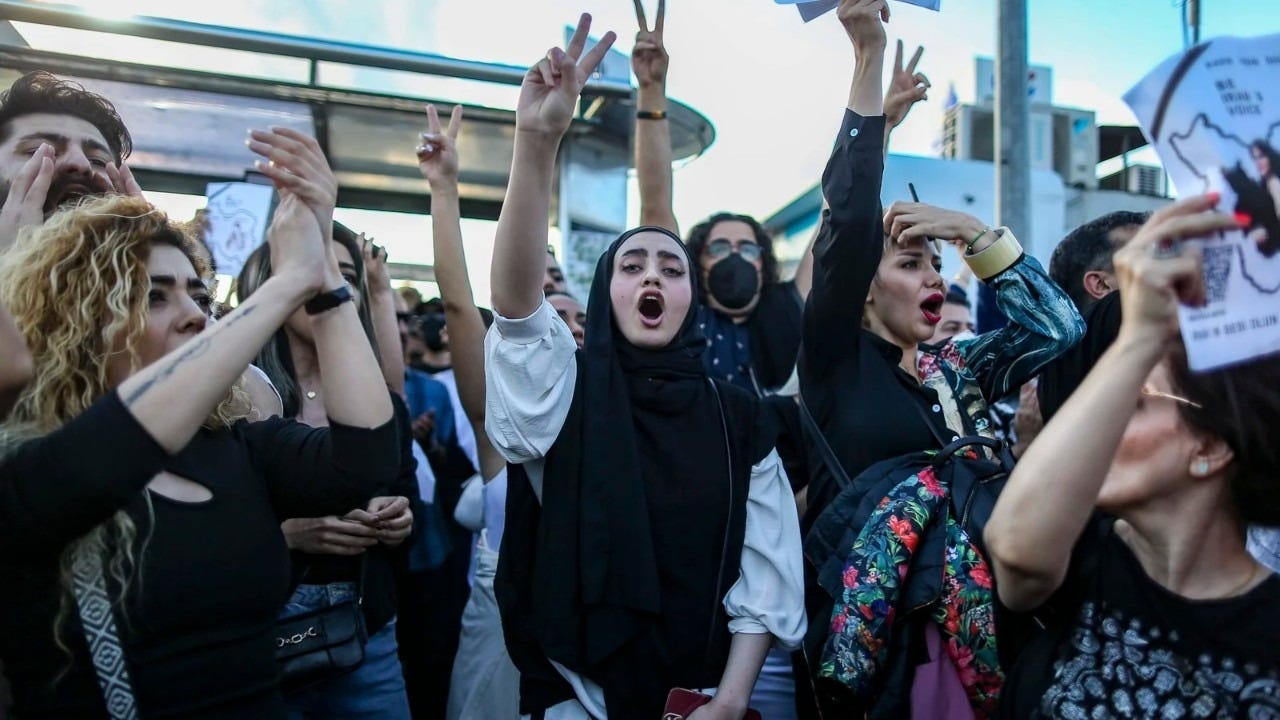
In today’s world of rapid moral decay, the only way forward in feminism is to side with what truly aligns with the values — rather than what looks the part. The answer lies in In practice, intersectional feminism means building broad coalitions, and in order to do so, we must reject the “us vs them” divide.
This March, as we mark Women’s History Month, amidst war and equally severe global crises, nothing is as important as reclaiming feminism’s radical legacy by centring those most marginalised.
As Audre Lorde immortalised the sentiment: “I am not free while any woman is unfree, even when her shackles are very different from my own.”