
“A bullet is the only thing that’s going to bring peace to him.”
In today’s world, this might sound like the closing argument of Karoline Leavitt’s press briefing to justify the endless, paradoxical whims of Donald Trump — because why leave any stone unturned to make the ghost of Orwell scratch the walls of his own grave!
But for those whose eyes wander on the streets of early 1900s Birmingham, around Garrison Lane, they know who I am talking about — it is the man who has been living this conflict with the shadows of his own sins.
It is Tommy Fookin’ Shelby!
The myth, the monument… the fairly immoral man who became immortal, defying logic, despite his darkness.
‘Peaky Blinders’ has always claimed a special seat in my library. It started with the person who first recommended the series to me. Then, it did not take long for the razor-sealed caps, the shady lanes of Small Heath, that thick West Midlands accent, and the abundance of blood, booze, and fornication to make a serious binge-watcher out of my then OTT-averse self.
In the age of shrinking attention spans, people nowadays call ‘Peaky Blinders’ a ‘l-o-n-g commitment’. I say, you probably have not been introduced to the compelling aura of Polly Gray, the unhinged madness of Arthur Shelby, or the understated intelligence of Ada (she is as much of a Shelby as she is a Thorne). Most of all, you surely have not been pulled in by the bruised but balanced and somewhat softened machismo of Thomas Shelby — the one who resembles more a horse on the run than a human being.
By now, I must have established my inclination towards ‘Peaky Blinders’. So, it should be no surprise that I watched ‘Peaky Blinders: The Immortal Man’ the very same day it landed on Netflix. And hell knows I was well prepared for Tommy Shelby’s one last ride!
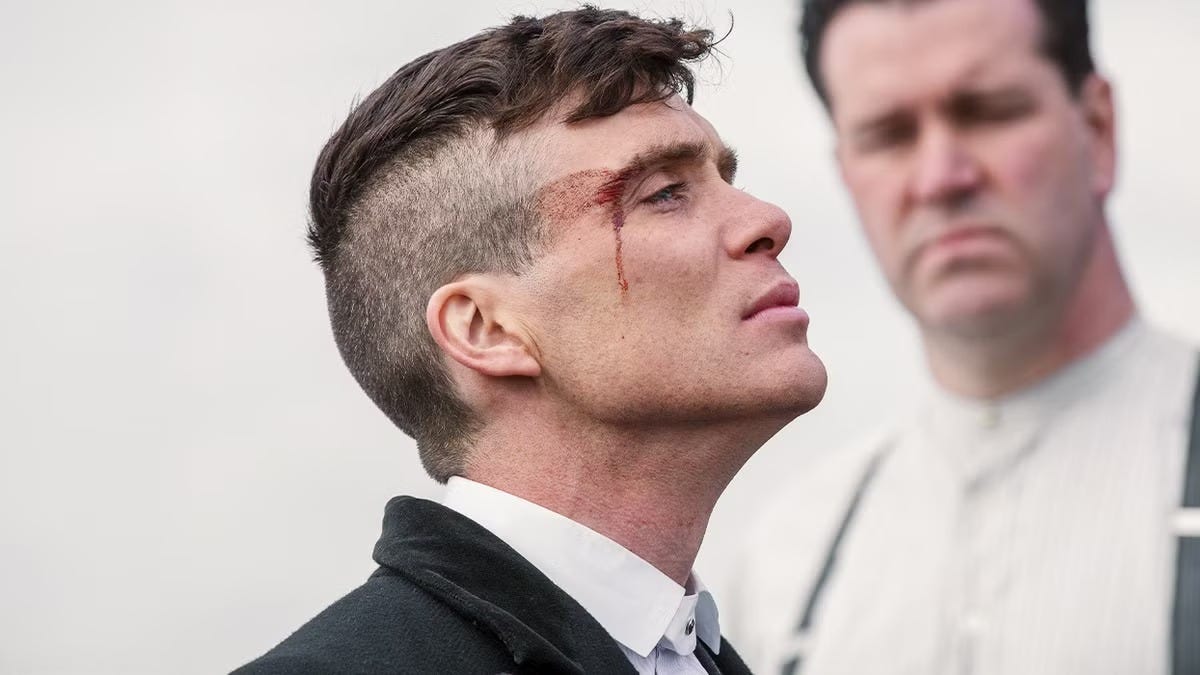
I was prepared for the floodgates as well as the bloodshed. I was prepared for the father-son friction, the gunfights, the horse races, the whisky-addled scenes in the Garrison Pub, and Nick Cave singing ‘Red Right Hand’ while Tommy walks in slow motion — from a blurry blob to a man in black. What I got was bits and pieces of Blackbird-induced gypsy magic, multiple dead Shelbys, a haunted, regretful, and withdrawn Rom Baro (the Gypsy King) in a dusty long coat, and a pigsty face-off with his supposed heir.
That is okay — an “equitable compromise”. ‘Peaky Blinders’ never really played the card of predictability; why start now!
I won’t lie; the film felt more like a longish episode — a lukewarm extension of the legendary series — rather than a chapter in itself. The wait for ‘The Immortal Man’ was long, so it stings somewhere that the film did not pack the punches of ‘finality’, even though it promised that this would be the last tryst of Tommy Shelby — One Last Job.
Tommy Shelby was supposed to leave with a bang; instead, he said goodbye with a whimper.
And the aftertaste of that departure is something I was not prepared for.
I have always known this: there is a special kind of heartbreak reserved for the men who should, by all logic, be easy to dislike — and strongly so. That is the irrationality of affection, and that is its ultimate reasoning.
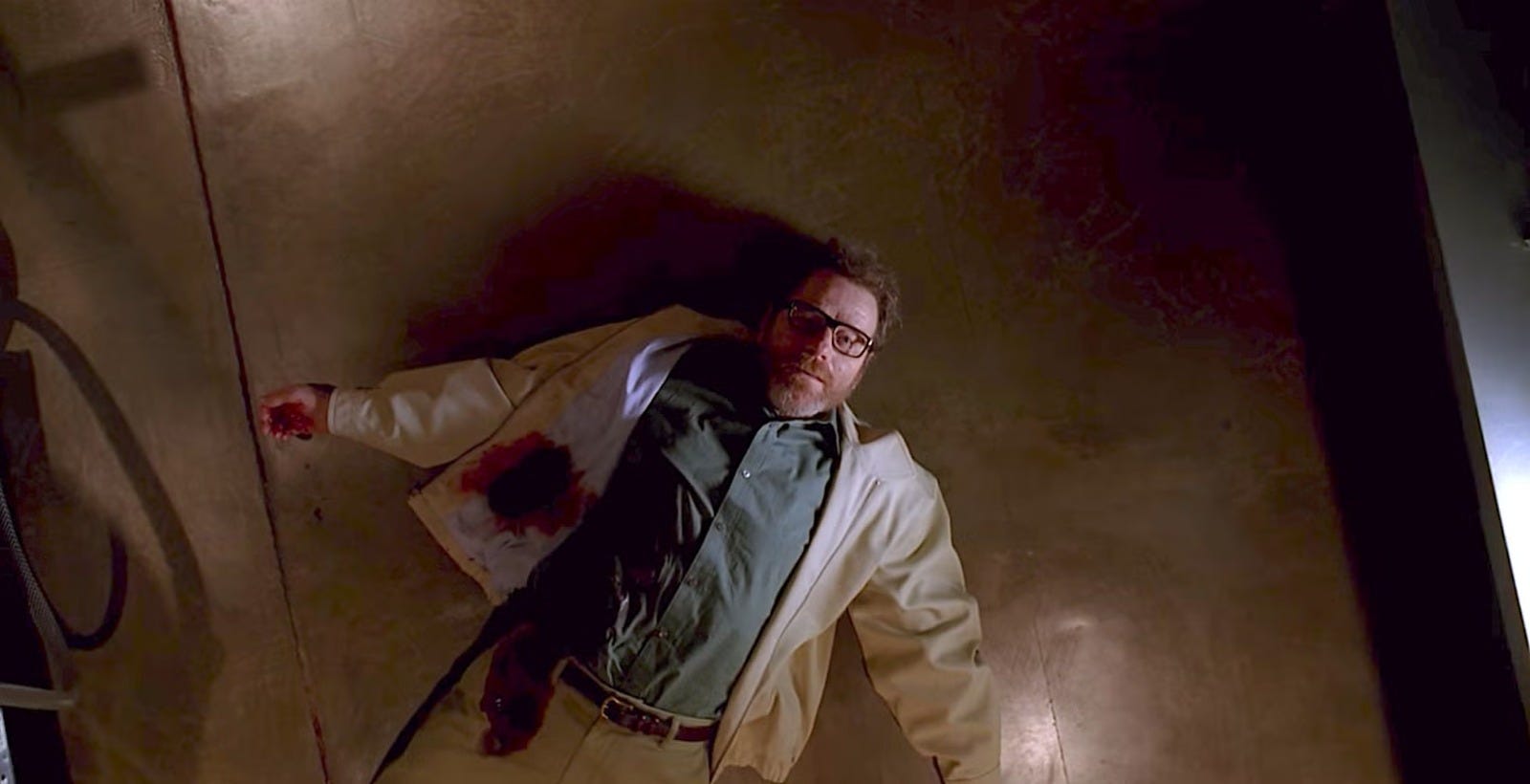
The last time I distinctly experienced this brand of heartbreak was when I wrapped up watching ‘Breaking Bad’. I was pretty late to Walter White’s farewell party because… well… the ‘generation gap’ is a real thing, and Walter White was around when I was barely out of high school. By the time I finished watching the finale episode (I was almost a decade late), my then-partner had it memorised — every scene, each line, and the pauses between them. It was no secret that he was not very aligned with my lack of approval of Walter White. So, when I broke down — howling — after the camera zoomed out from Walter White lying on the floor, he was stunned.
“How come you’re in pieces for a man you’ve always detested?”
That was his question.
Back then, I did not necessarily have the capacity to recover from my heartbreak (it was one hell of a heartbreak) and go on an introspective expedition to find the answer to that question. Now that I have added five years to my agebook, I cannot carry on without the introspection part.
So, a week back, when I watched ‘Peaky Blinders: The Immortal Man’, revisiting a similar kind of heartbreak, I could not help but sit with my acute sadness and this recurring question: “Why is it that we feel so vividly for fictional men with slightly tweaked moral compasses?”
Turns out, the core of this emotional contradiction lies not only in our ability to empathise with them but also in recognising our vices in their behaviour. It is not about identifying the flaws of their characters — it is about finding compassion for even the faintest bit of humanity left in them, despite the fault line. And then, of course, there is this incredible craft of artists like Bryan Cranston and Cillian Murphy in play!
To date, Walter White’s irrevocable transformation into Heisenberg remains one of TV’s greatest slow tragedies — it is one of the most profound arcs of short-lived success turning into inevitable decay. It is as if the idea of turning “Mr Chips into Scarface” was realised with no point of return. That spiralling descent, in fact, became the climax of ‘Breaking Bad’.
The viewers’ statistics and the swell of awards’ shelves speak for themselves, but nothing beats the strange sense of relief coupled with the ‘I knew it’ sensation when Walter finally comes to terms with himself: “I did it for me.” It is like a man standing naked before his own desire — just the way he preferred to cook when he started out, for the sake of earning a few more bucks and leaving his family financially secure.
That long-awaited admission sat nowhere near the idea of redemption — it is not the Catholic Church, where confession cleanses the sinner’s soul — but that one moment of finally accepting the truth about himself… that felt like a dejected yet somewhat fulfilled man finally coming home, undone, embracing his true self — innocence be damned.
Tommy Shelby is no different. He has the fields of Flanders rotting inside his head, but his flat caps, with concealed razors, cover it up, and he shows up in extremely sharp, well-tailored three-piece suits as if they are his armour. He abandons his kingdom in Small Heath while fighting a war inside his own head and still tucks a hand grenade in his suit when he walks into the pub he knew like the back of his hand. So, when he claims, “I’m not that man anymore,” it rings like the promise of change — but the peace offering comes half-hearted.
That duality is part of Tommy Shelby’s appeal. It thrives in the way he speaks, like a man who has lost patience with the high horse of morality. He is “not a traitor to [his] class;” he is “just an extreme example of what a working man can achieve.”
It may sound like a hypothetical manifesto, but by whatever means necessary, Tommy Shelby “nearly” did it all.
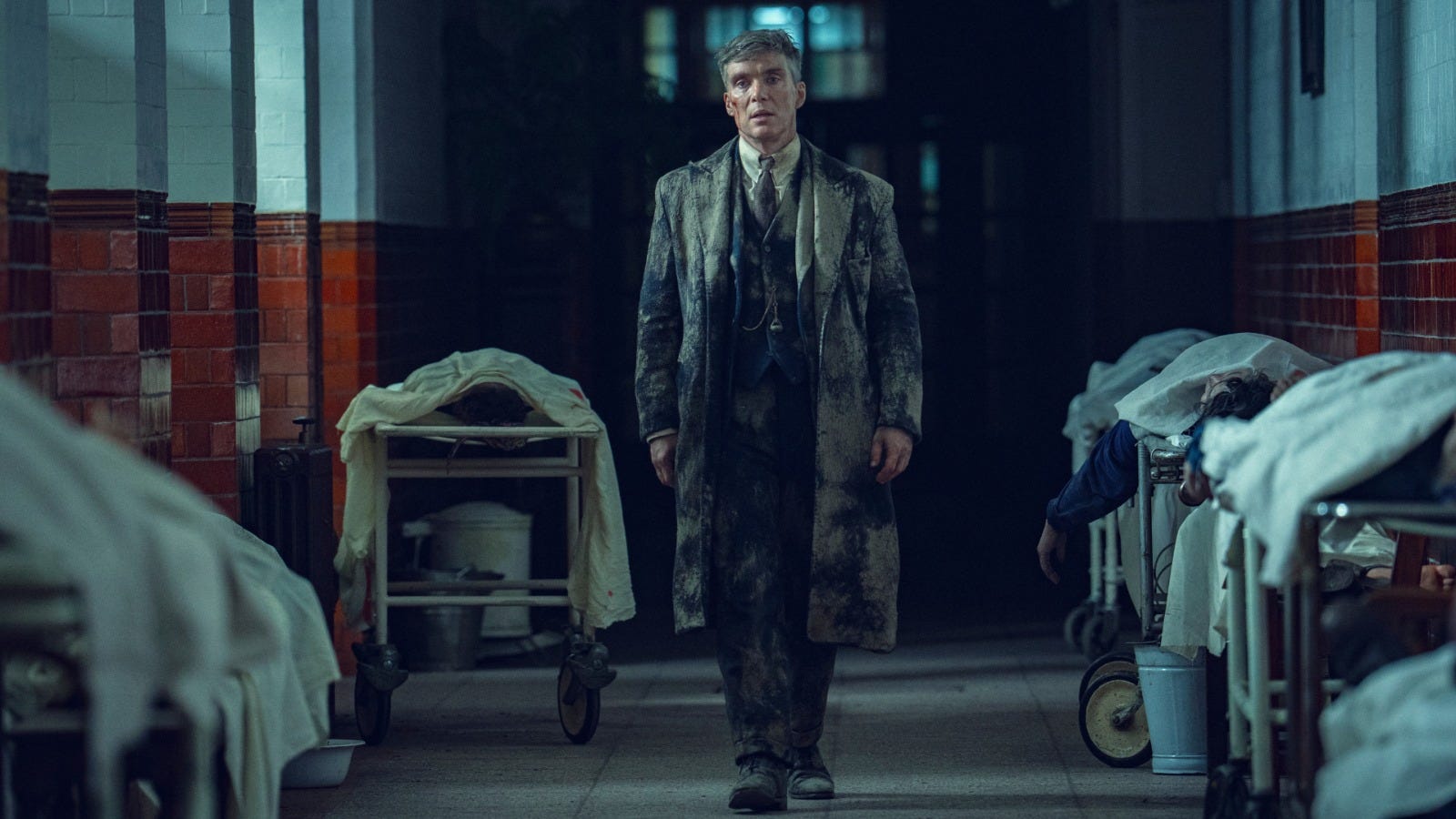
That is why it does not pinch when his cruelty comes wrapped in clarity: “I don’t need good men for this, I need bad men.”
Tommy Shelby does not waste time building the pretence of a “good man” because he knows, “You can change what you do, but you can’t change what you want.”
His world of gangsters and get-the-job-done is not organised around virtue — it is one of survival and the cost of power. That lack of a “heroic image” is what makes him more human than a hero could ever be.
What makes these men unputdownable is not their unblemished goodness — it is how they survive one battle after another. Sure, heroes can be comforting; they can be admirable as well. But honestly, who connects with an emotionally sound character who has already reached the finish line of character development and evolution?
In fact, beyond the play of compassion and empathy for fictitious characters, even psychology has plausible explanations for this kind of attachment and affection.
First, there is a moral trick at work. Several studies show that identification with a character and moral approval are, although linked, not the same thing. We can actually identify with someone without fully endorsing what they do. This differentiation matters because we are not exactly falling in love with Walter White’s act of building a meth empire or Tommy Shelby’s signature brand of blood-soaked strategies — we are falling for the humiliated intelligence and wounded ego underneath that mask of violence, the immeasurable grief under the polished swagger. The subtext in those eyes says this man is losing himself, and he knows it. We are not always drawn to the prize of goodness, but to stakes, intensity, and consequence.
Then comes the emotional justification. Research on narrative transportation shows that well-written stories do not just entertain us; their immersiveness invites us to live “rent-free” inside someone else’s skin. This holds especially true for characters like Walter White and Tommy Shelby because both are written as men who are emotionally legible even when they are morally unreadable.
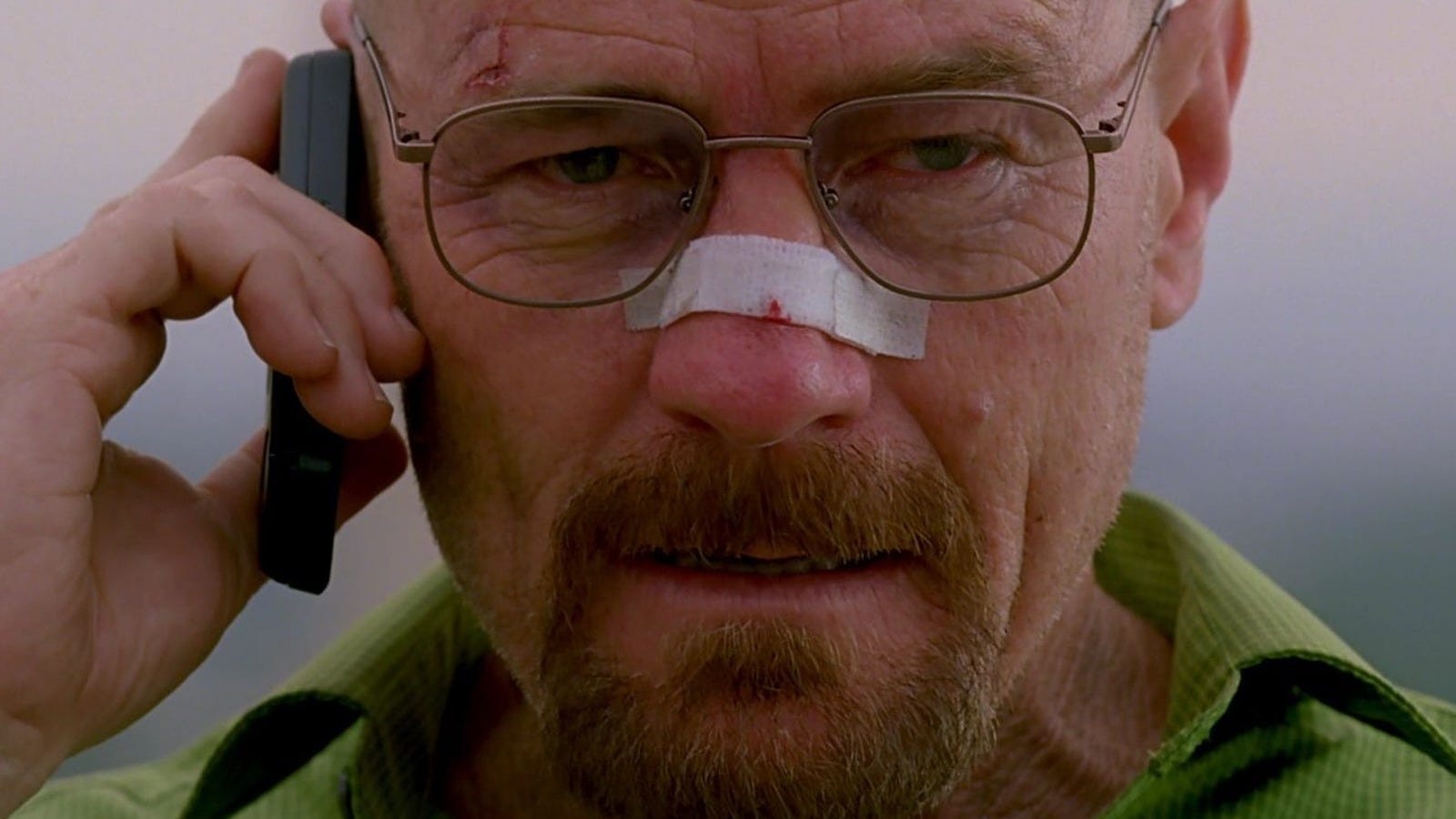
Walter’s rage is not unreasonable — it often stems from fear of staying small, humiliation of unrealised potential, lack of achievement despite talent, and a lot of ego. When Walter says, “I am the danger,” he is not being cocky — he is cloaking a panic attack with a villainous coat because that trick of fear safeguards his vulnerability. He is trying to sound powerful because he is terrified of being small.
Tommy’s cruelty, too, has its own roots — it often sits beside incurable war trauma, the grief of losing people he loved, and the chronic exhaustion of keeping everything afloat despite it all. Sure, his violence is stylised, and he gets high on opium at the end of the day, but the real seduction is his melancholy and grief. He seems always one cigarette away from collapse, one step ahead of the world, and just one more wound behind it.
That is why these men feel more human than moral. We condemn their behaviour and their actions because it is easy to do so. But once their story takes us inside their heads — the wars that keep raging — we begin to understand why they are the way they are. It is not validating their wrongdoings — it is understanding where they come from. And that understanding is the first undeniable cousin of affection.
You see, it comes as second nature for a moral person to be admirable — there is no bridge of bargain there. But admiration does not always warrant attachment; the latter is often earned through resistance despite fervour. That is what works in favour of men like Walter and Tommy because they are constantly negotiating with themselves.
This is where antiheroes become strangely tender.
They lie to others, yes; they cheat, walk the roads of deceit, and whatnot. But they do not easily come undone to themselves, too. They perform power, and then they get haunted by the performance. They want control, of course, but then they are undone by desire. Their inner contradictions keep giving us relics of soul and substance to hold on to.
As the audience, we are not just watching what they do; we are watching them explain it, justify it, collapse under the weight of it, and pick themselves up — battered and bloodied — to try again. That process is heartbreaking yet familiar.
Most people are not criminals, obviously. But many of us know the feeling of wanting to do better, be better, and still not quite getting there.
Morality is neat. Humanity is messy.
And messy is more recognisable. We do not see ourselves in perfection — we see ourselves in contradiction.
And these fictions and their stories, at their best, allow us to recognise that without confessing it out loud.
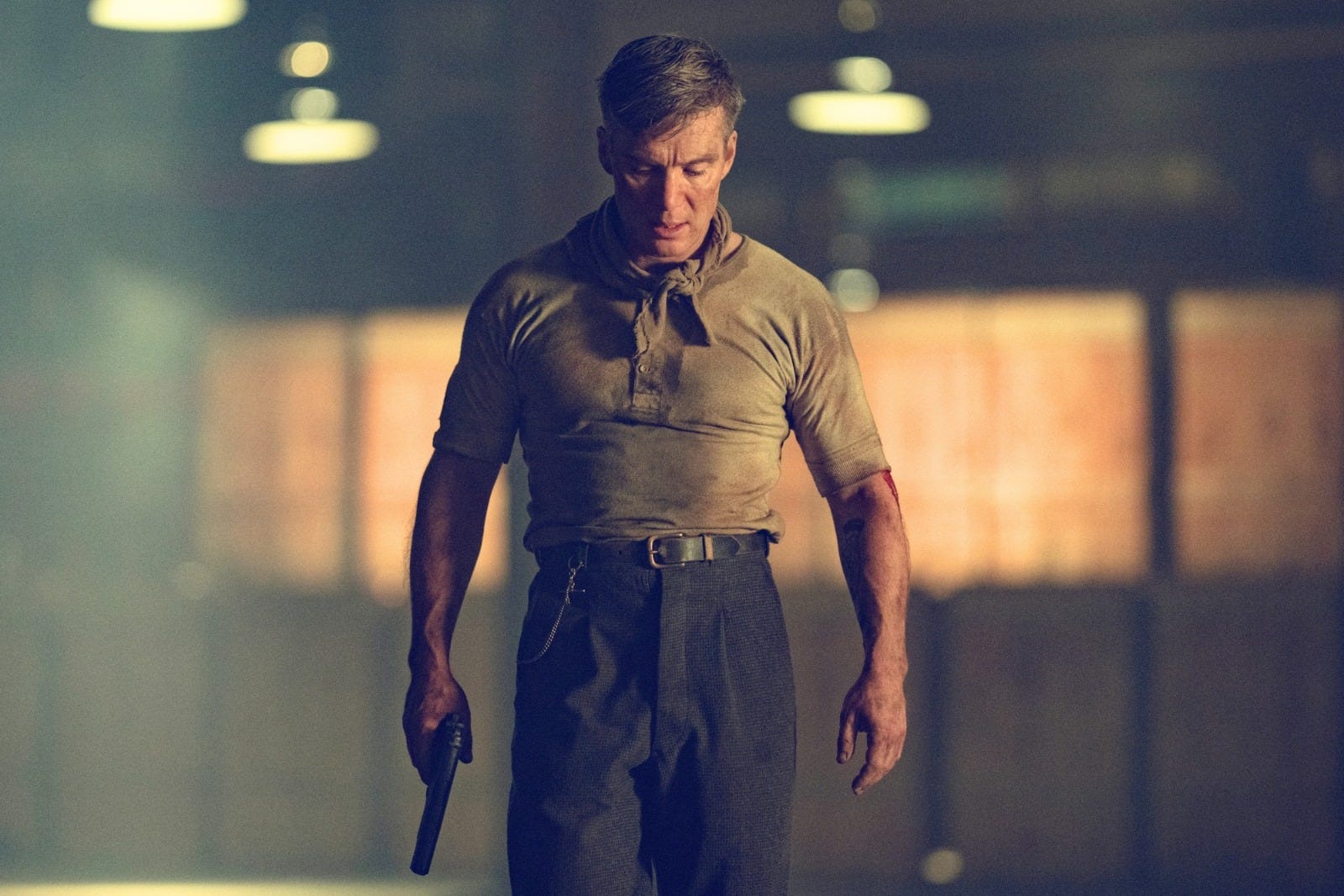
That is why the fate of these characters comes so heavy.
Walter White’s last lap in ‘Breaking Bad’ is poetic because it is unsentimental. He does not die like a saint because he never was one. He dies like a man who has finally stopped lying to himself, embraced his deepest vices — however dark those are.
Tommy Shelby’s final adieu in ‘The Immortal Man’ hums the same tune: he does his one last job, not as part of some utopian redemption or an act of salvation, but in pursuit of finally being free of the burden of both greatness and guilt.
What makes it so emotionally draining is the fact that these men almost convinced us that their damage could be converted into destiny.
Walter turned chemistry into an empire. Tommy turned trauma into power. Both men built identities squeezed out of pain and grief, and both were ultimately crushed by the very selves they invented to survive the weight of their existence.
That is the kind of tragedy that never stops churning out hopeless sadness.
We live in a culture obsessed with reinvention, performance, and personal myth. So, when a character keeps changing masks to survive, we watch with a strange mix of admiration, recognition, and dread. The tragedy is not only that they abused their power and did “bad” things. It is that they were once on the other side of everything power held — they were small, frightened, ordinary men who chose the wrong gods and then mistook survival for meaning.
Maybe that is why the “good” characters do not haunt us in the same way. We respect them; we may even love them. But they do not tread as close to our species in the way the grey ones do. They make bad decisions, but with logic. They hurt people while trying to protect themselves. They own the quiet, hideous, and ugly parts out loud.
These are not role models. They are mirrors with smudges on them.
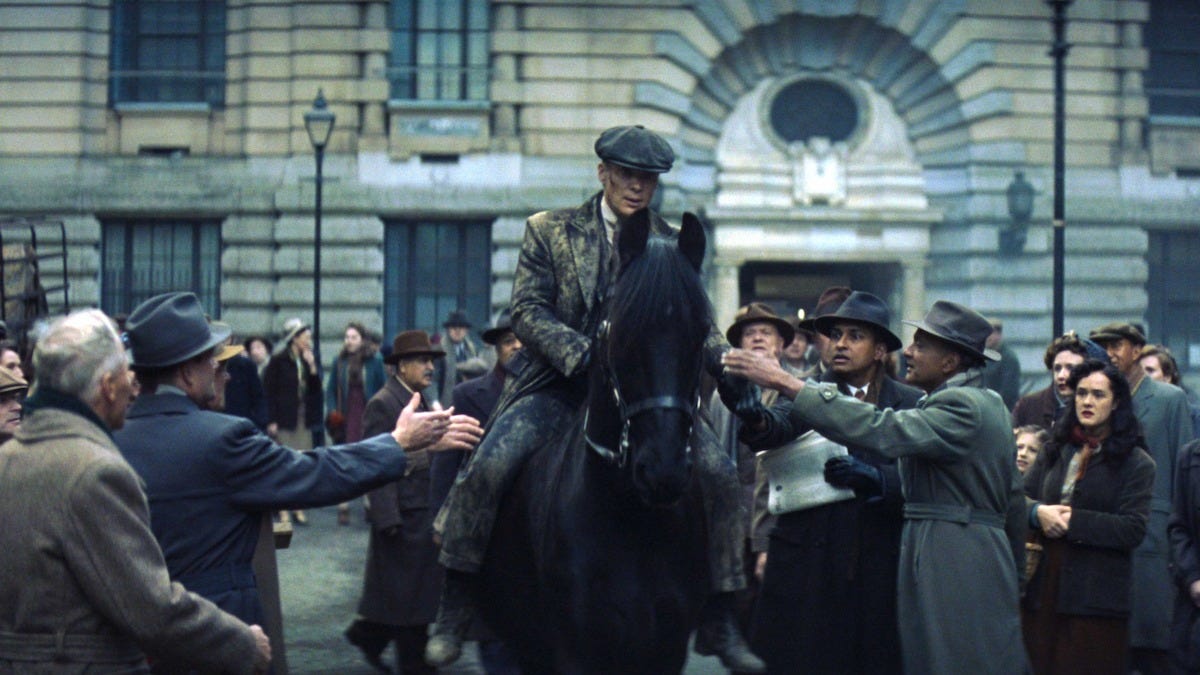
We do not feel for men like Walter White and Tommy Shelby because of the allure of their powerful selves. We love them because they make morality feel human-sized.
They remind us that people are rarely all good or all bad, and that a life can be ethically wrong and still be emotionally devastating. Their endings do not forgive them, nor absolve them. They just let us see them clearly. And sometimes, that clarity feels sadder than redemption.
In the end, I feel like we all have bits of Curly inside us — we do not care for the high ground of morality or the ethical duel between right and wrong; we only understand loyalty to our kin. We cease to judge — we only know of our allegiance to someone who lets us recognise the “un-good” parts of ourselves.